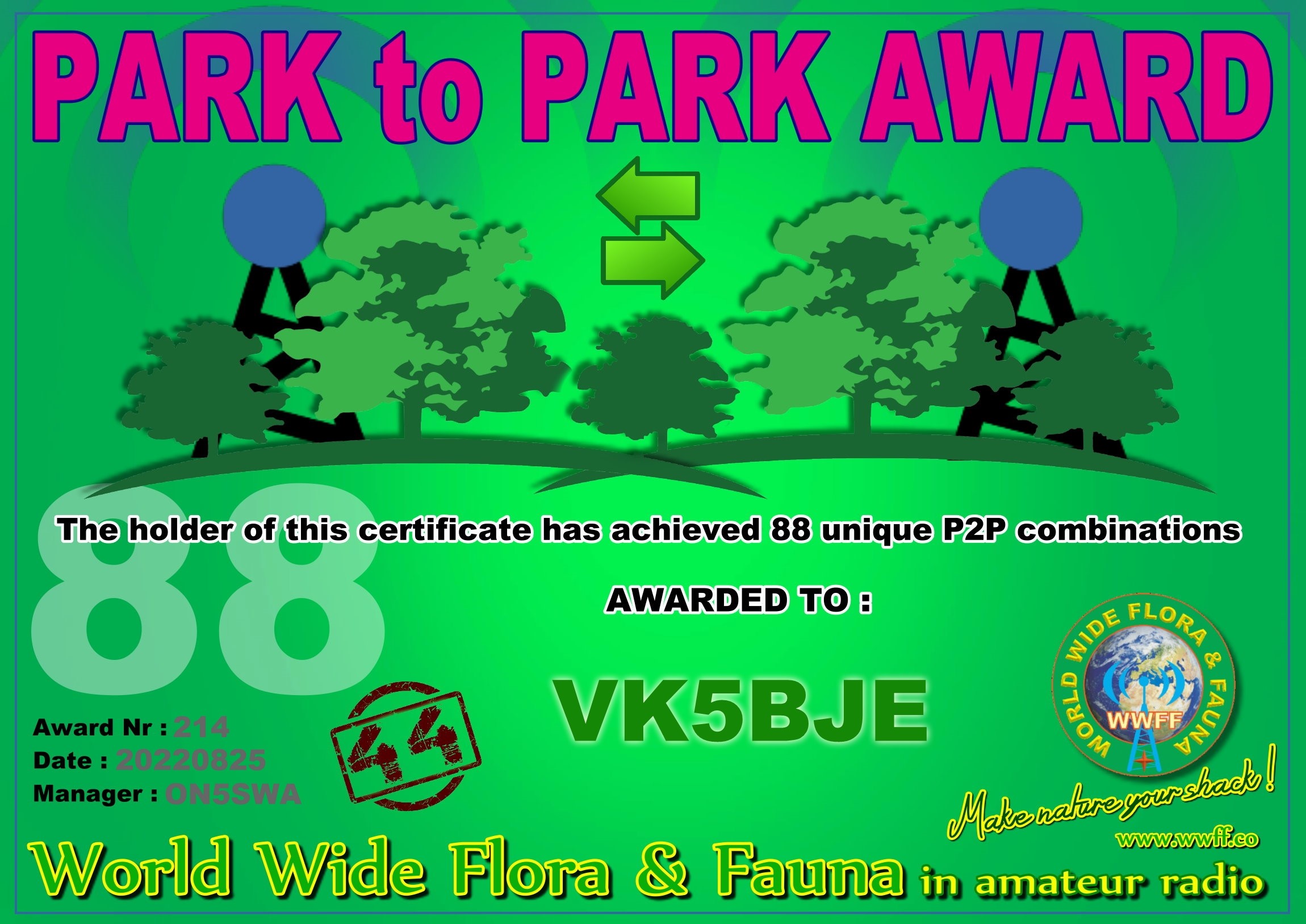
I decided to return to this park to activate it for the Boomerang Award. It was my fifth activation with at least 10 contacts. I will now concentrate on other local parks. My last activation was for National Wattle Day on the 1st September 2022.
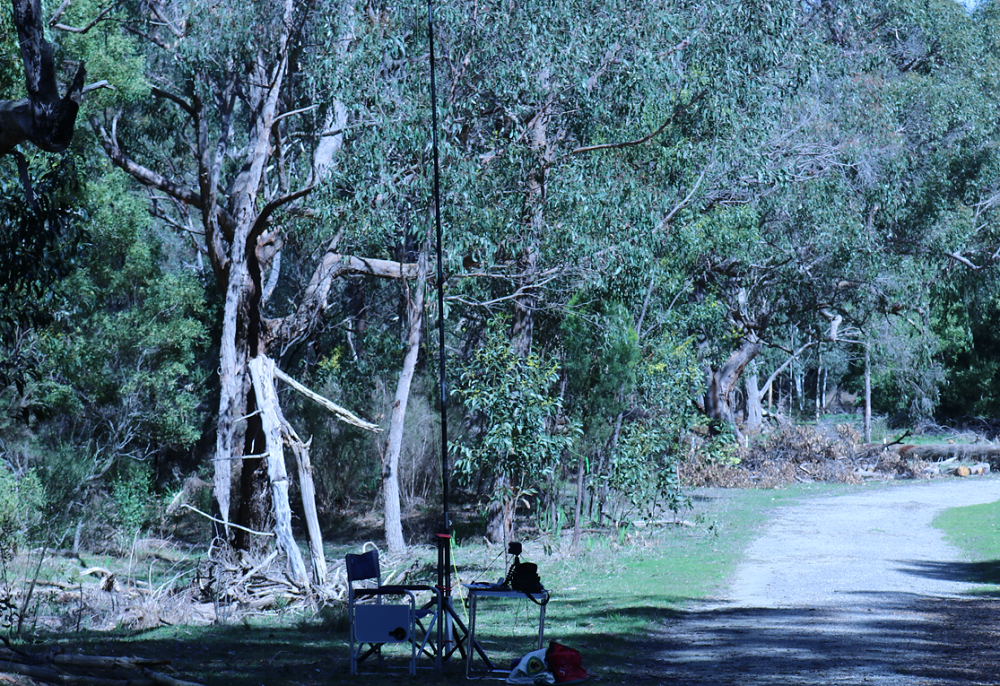
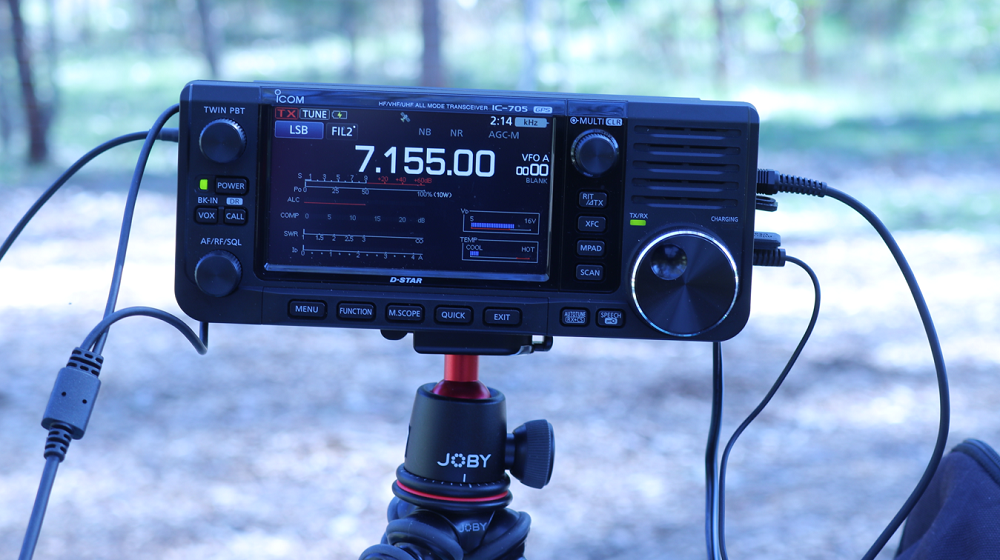
I used my ICOM 705, AH5 coupler and a five band linked dipole antenna. I used a seven amp hour LiFePO4 battery. I chose the same location as for the activation on the 1st September. I made 18 contacts.
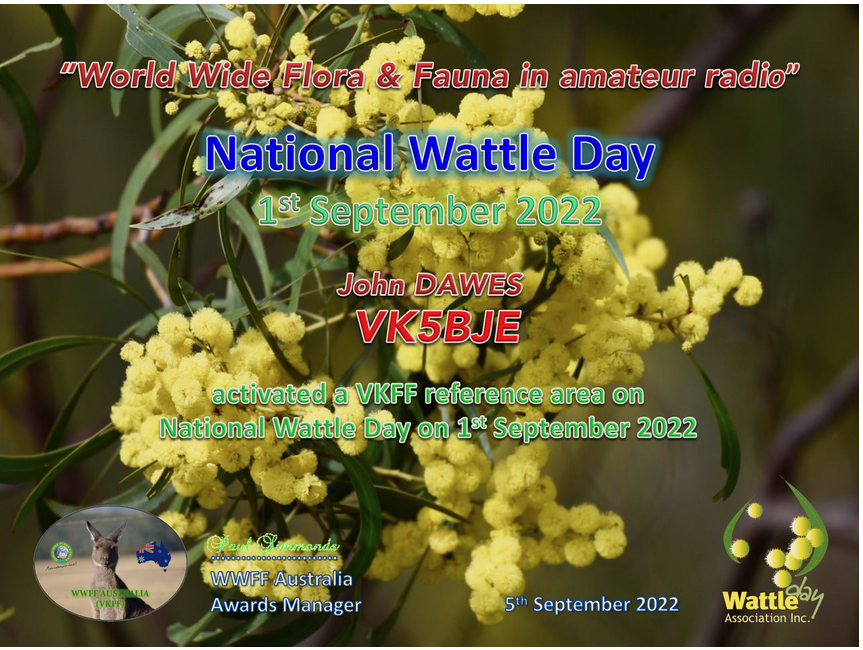
I was pleased to participate in this event. I like trees and some wattles, but not all! some have weed status in the Adelaide Hills Thanks to the WWFF Australia Awards Manager, Paul, VK5PAS, for the certificate.
I decided I would return to Mark Oliphant Conservation Park, VKFF-0782, to celebrate National Wattle Day. I last activated this Park on 15th January 2016.
As well I activated this park on 2nd August 2020 for National Tree Day.
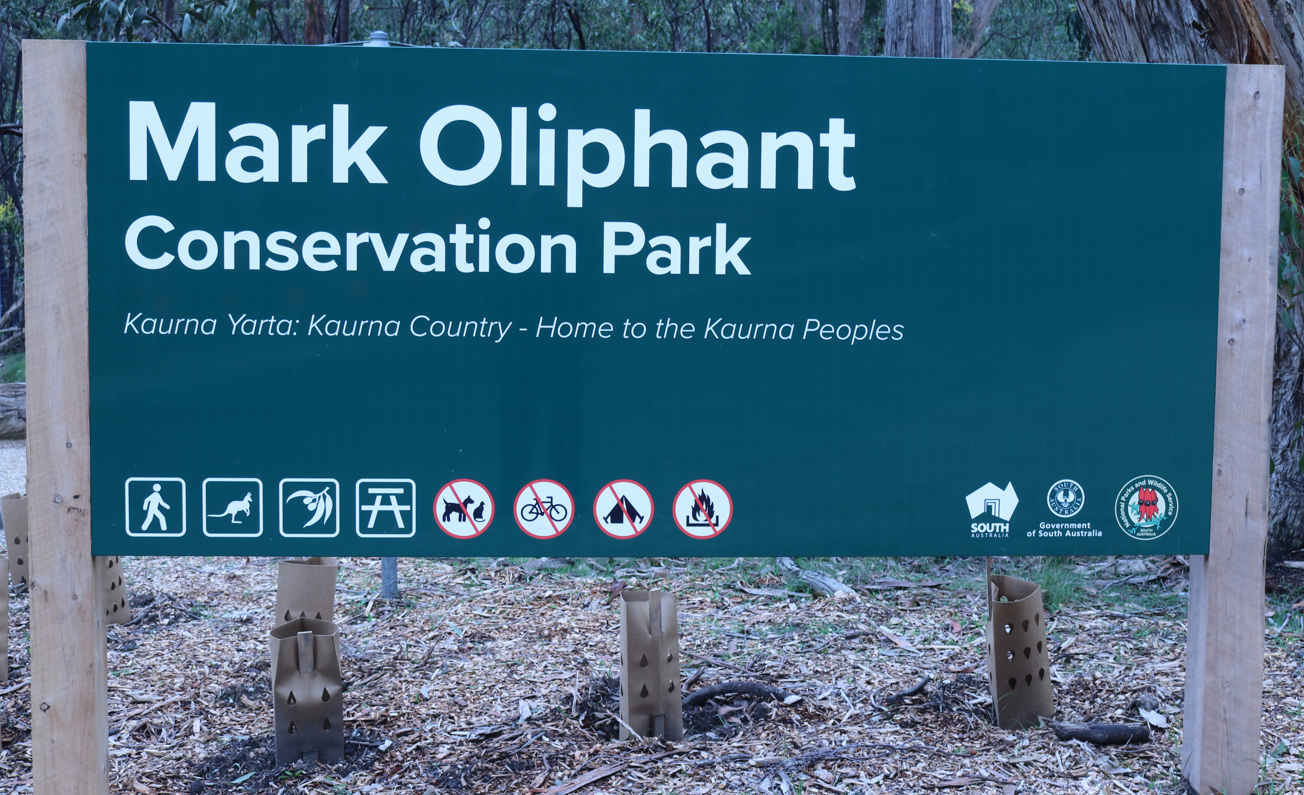
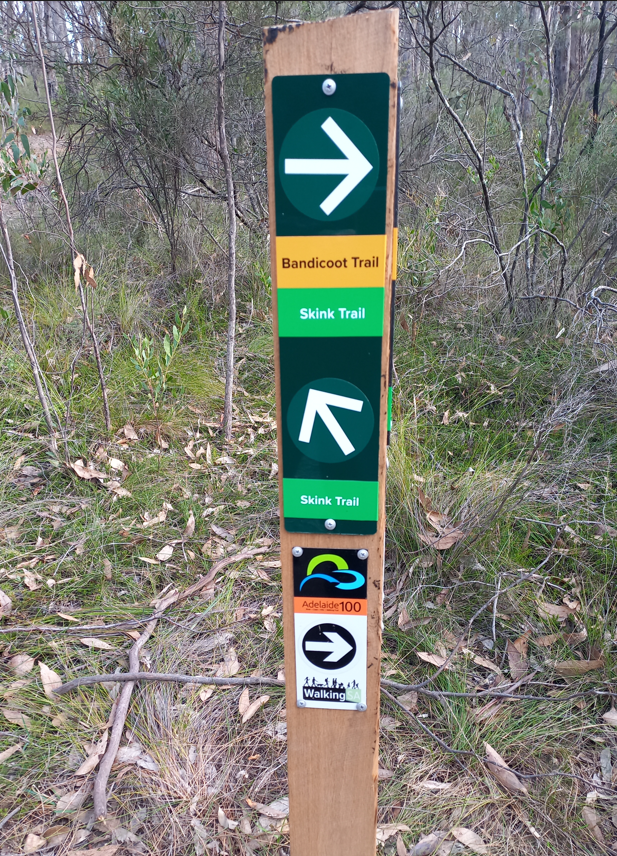
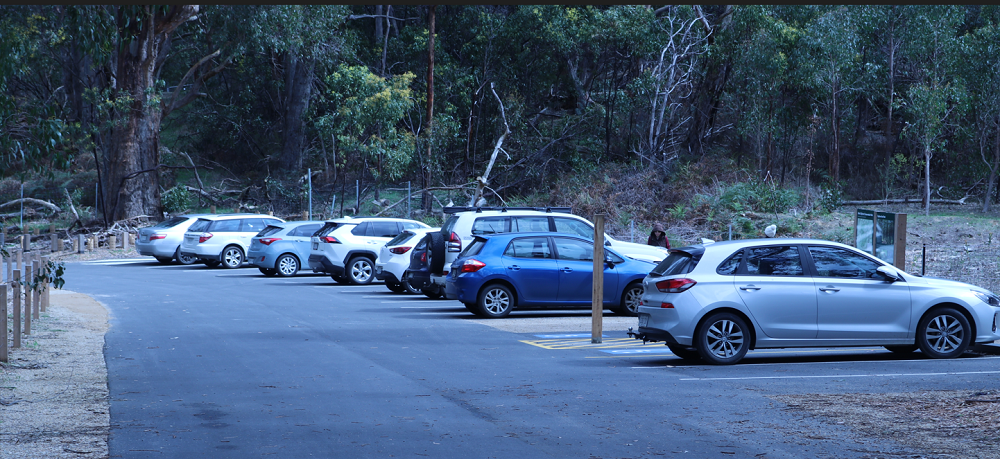
Since my last activation the authorities have developed a new car park, provided a picnic area with a table and seating, modernised the signage, planted new trees and marked out some new trails.
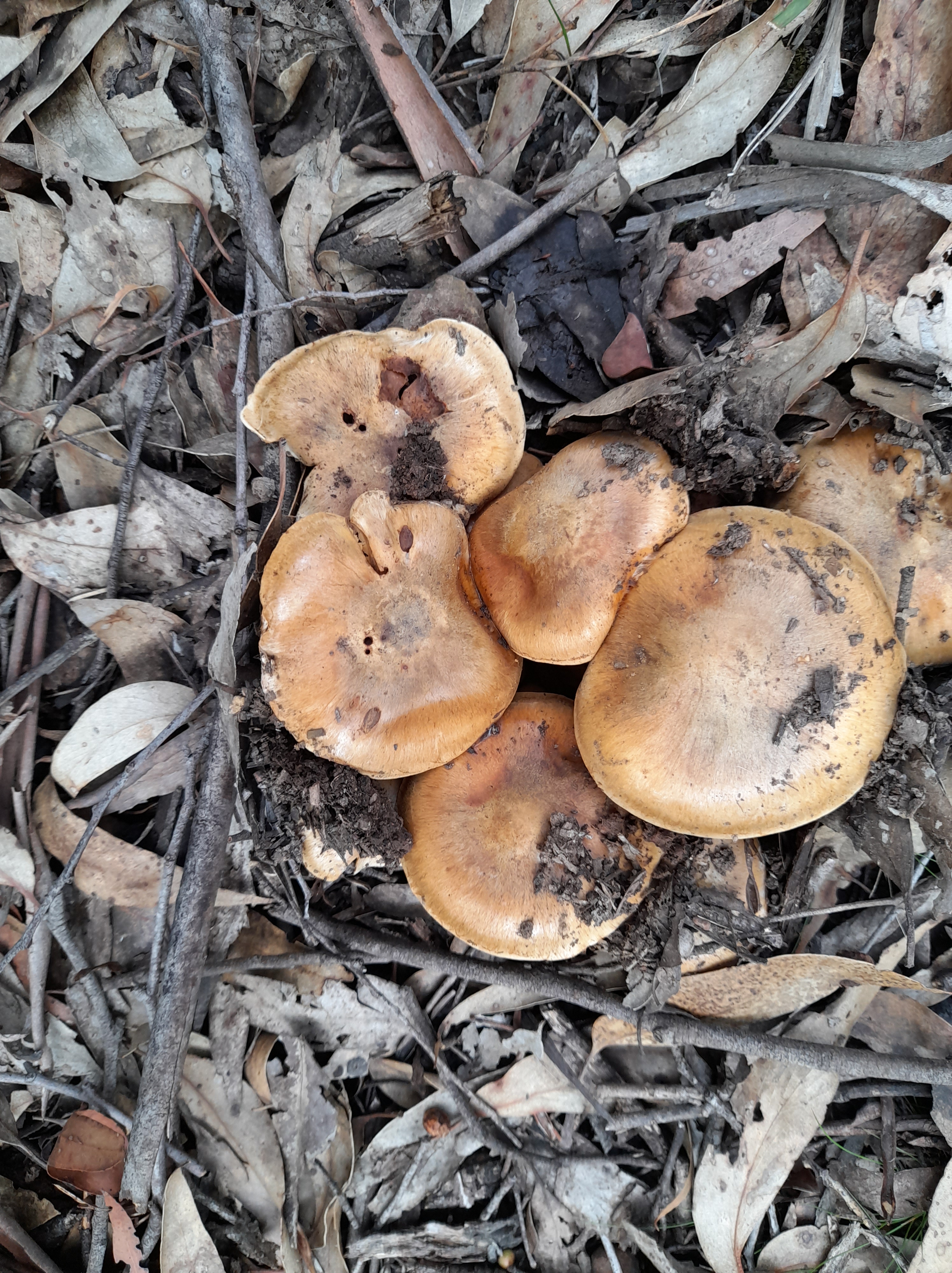
Fungi – photo taken in June 2021
As well the plaque noting the dedication of the park to the memory of Sir Mark Oliphant is now in a better position clearly visible to visitors. This park is a popular walking location and has a number of steep trails, is a site for scientific experiments under the auspices of Flinders University and seems to be much busier with cars seemingly always in the car park.
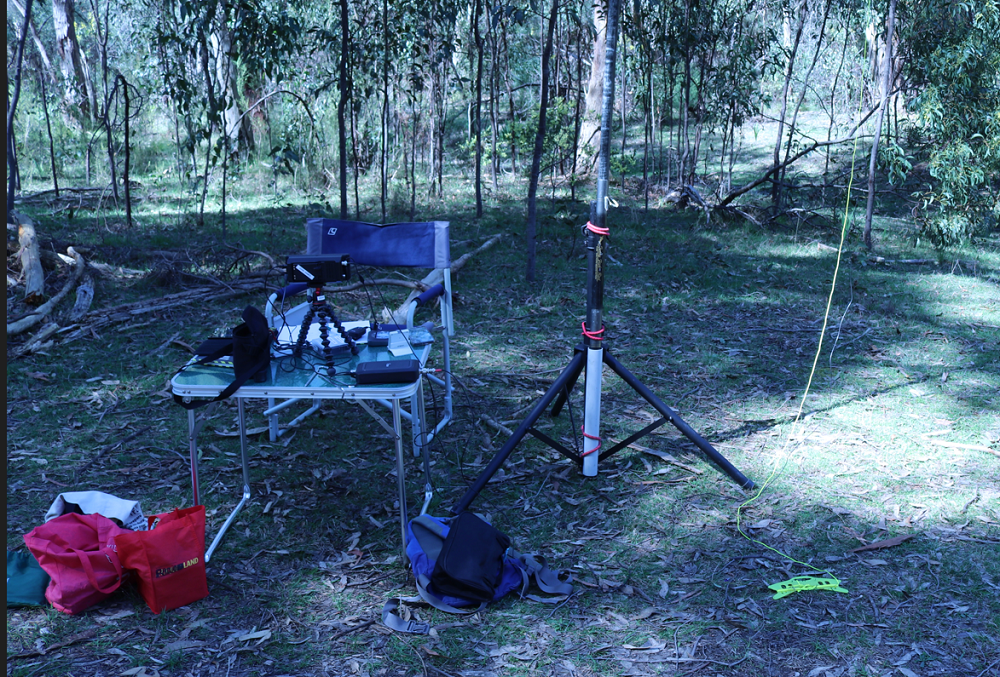
When I arrived on Thursday afternoon I had in my mind the concept of Terra Nullius. I thought the new picnic area would make a great activation spot and save me the work of carrying my gear further into the park. I decided I would leave that area alone and set up a few more metres into the park just off the main track. It took me a few trips back and forth to the 4×4: table and chair, radio and batteries and a three bags of antennas. In the end I set up my home made 40m and 20 m dipole in inverted v fashion with the ICOM 705, AH5 coupler and my palm key.
Other bits and pieces included two log books (one for VK5BJE and one for VK5PF), a clock on UTC time and my Samsung tablet and Netgear Nighthawk modem. The Samsung tablet, with its android operating system, replaced an ancient Ipad which I used for many years in the field. I posted my QRV and details on a windows machine before I left home. However, when I changed to 20 metres and wanted to post my frequency and reference, I could not get Parksnpeaks to accept my post. I kept getting a message suggesting I needed two FFs and that my reference was incorrect. I tried various approaches to entering the reference number. In the end I settled on 14.032 and called QRL? a few times and then called CQ. I did not attract any interest! If anyone with more developed computer skills than me can offer a suggestion on what has caused the difficulties with my attempts at posting I will be very pleased. However, after a flash of inspiration, I have found the issue after observing a trial posting (by Adam, VK2YK, VK5GA) at the Amateur Radio Experiments’ Group (AREG) buy and sell on the 3rd September. When I arrived home I checked my WordPress site. WordPress gives three options for viewing: desktop, tablet and mobile. This can be understood another way: portrait or landscape. I was using my tablet in portrait mode/mobile mode and it would not bring up the drop down list for selecting a park. Turning the tablet on to a horizontal plane, or as a desktop brought up the drop down park list. This may be a problem for other young activators as well as the not so young!
I enjoyed 14 contacts on 40 metres, including six park to park qsos, before deciding it was getting cold and the rain was about to start. I am glad I made the effort to help celebrate National Wattle day and the 1st day of Spring. It rained as I drove home – great timing!
Contacts
7.155 ssb
05:22 VK2EXA
05:26 VK2MET/P park to park VKFF-0490
05:27 VK3BEZ/P park to park VKFF-0764
05:28 VK5GY
0530 VK5FANA
05:33 VK3SQ
07:35 VK5DG park to park VKFF-0900
05:36 VK1TTY
05:38 VK3PRG
05:40 VK1DA Andrew
05:42 VK2MOE/P park to park VKFF-3030
05:44 VK1VIC park to park VKFF-0164
05:46 VK2IO/P park to park 3198
Thank you to all of the activators and chasers who gave me a contact. Contacts are always very much appreciated.
On Monday evening I checked the weather forecast and the Bureau of Meteorology suggested a fine and sunny day for Adelaide.I decided that I would activate Kenneth Stirling Conservation Park at the Wottons Scrub Block. This park has four sections and a fuller description can be found at my earlier post on this park dating from April 2016.
I set up my station in the same location. But just about everything had changed – previously I used a second hand Yaesu 897D and a Sota beams linked dipole antenna. I no longer own the 897D – it was a good radio but a bit too big and I mainly used 10, sometimes 20 watts, so I purchased a Yaesu 857D, the same radio apparently in a smaller package. I had it with me yesterday but did not use it. My set up is now an IC705 and the matching AH5 tuner, a 12 amp hour LiFePO4 battery and two home made antennas. One is a linked dipole for 40 and 20 metres and the other is a linked dipole for 15, 17 and 10 metres.
I set up for 15 metres and did not get a contact. I did not try 17 but moved to 40 metres after changing the antenna. Propagation was strange. Signals came and went in seconds I could get a word, for example, a callsign and not hear the rest of the transmission. This happened with VK2IO on 20 metres. There was also echo on some signals. I was told by others who were activating parks on the east coast that they had similar experiences. At least it wasn’t a total black-out. I was told what we experienced was the end of solar storms and ejections and that conditions will probably stabilise in a day or two! A check of some of the sun weather internet sites confirmed what I was told and what I had suspected, that the earth was in a direct path from a storm on the sun; a second wave, on Monday.
I enjoyed the following contacts on 40 metres before transferring to 20 metres.
01:44 Z VK3BEZ/P in VKFF-0753 Brian
VK2RK Robert
VK2ACR Robert
VK5IS, 59 56 There was an interesting echo on Ian’s voice.
VK5GY Gordon
VK5LA Andy
VK3PF Peter
VK3MTT Therese
VK2IO Gerard
VK4JT John
VK5KAA Gordon
VK3BWS/P in VKFF-0747 Barry
20 metres 02:37 Z
ZL1BQD 51 52 Roly
VK3BWS/P in VKFF-0747 Barry
VK5HAA John
VK4EMP Mark Brisbane
VK4TJ John
ZL1TM 52 57Andrei
Thank you to the successful callers and to those who tried to make a two way contact.
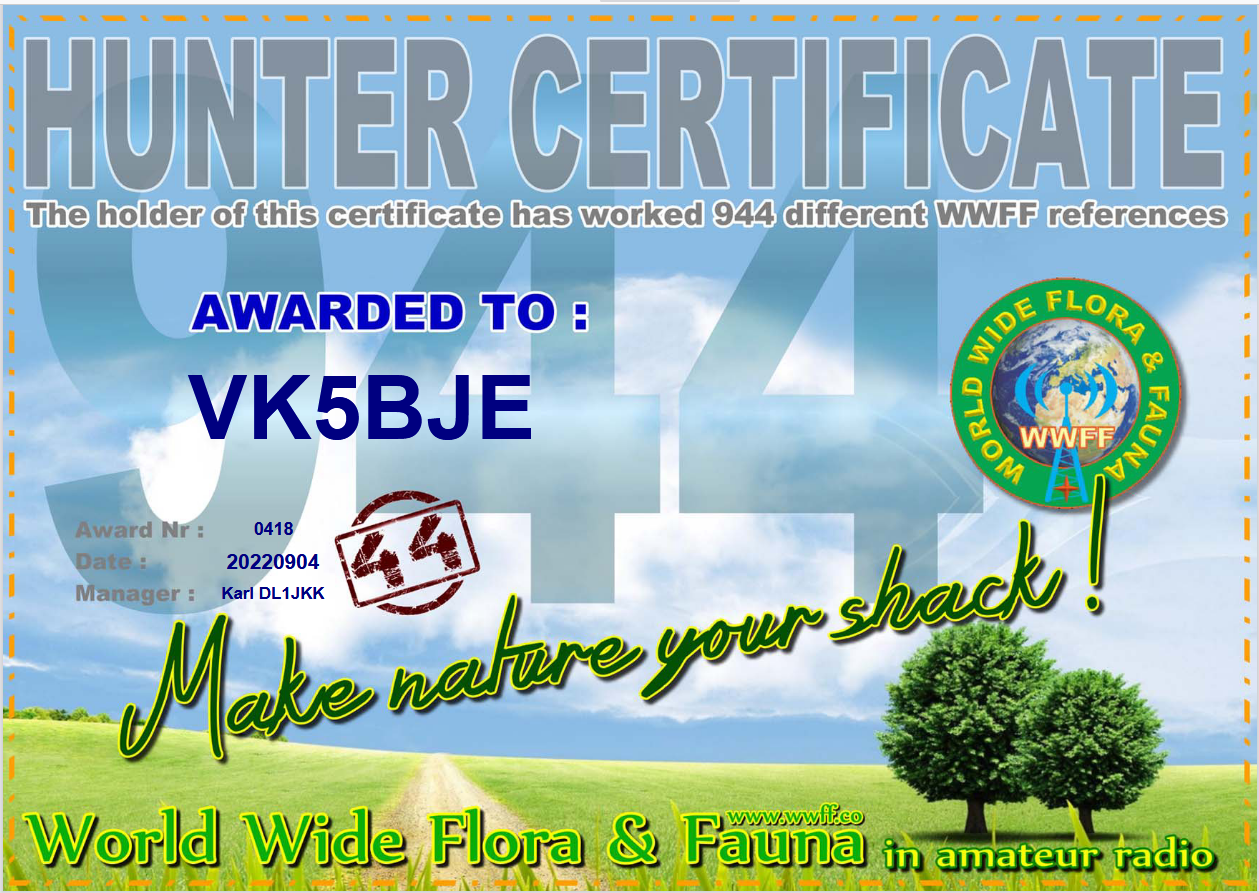
VKFF Hunter Award 900 My latest VKFF award for working 900 different parks. I am pleased to have reached this milestone, albeit a bit slowly! Thanks to Paul and all the VKFF team.
One of my regular activities is walking and on Sunday last, I walked my usual trail in Mylor Conservation Park. I listen to the Wireless Institute of Australia (WIA) broadcast on the VK5RDF, two metre C4FM repeater. The signal is good for the whole walk, although it weakens towards the northerly end of the park because of a rise on the westerly side. I always call in on the callback and announce that I am pedestrian mobile. Now I know that this is not HF, no WWFF, but it is still fun. I have taken this walk for a number of years and never mentioned that this is how I usually listen to the broadcast. Of course the regular listeners know! I use a Yaesu FT-70D set for 0.5 watts, that is, half a watt. I have no trouble accessing the two metre and 70 centimetre repeaters (VK5RDF) with such such low power.
You can see from the walk profile that the total ascent is just 42 metres and most of that is from the entry to the park to the north-south track – the hard part of the walk (about 500 metres) is over at the beginning!
And the listening is great, the WIA national news, VK5 club news and then the call back. We have a group from Detroit, Michigan, which is expanding in numbers and who call in, a Californian and one or two from the East plus some interstate amateurs. VK5RDF is linked to all of the C4FM repeaters in the state and the 10G backbone as well as being accessible through Wires x.