Canunda National Park, VKFF-075, 6th January 2015

The Park

Canunda National Park is large. It is a coastal park and contains sand-dunes, linestone cliffs and dense scrub. It allows recreational activities such as 4×4 driving, bushwalking, bird-watching, fishing and surfing. There is also evidence of long-term Aboriginal occupation of these lands. It was a summer visiting place and there are plenty of shell midden heaps throughout the park.

I would like to drive through the Park but only with at least one other vehicle. We were travelling on our own.

Access
Canunda National Park

Canunda National Park

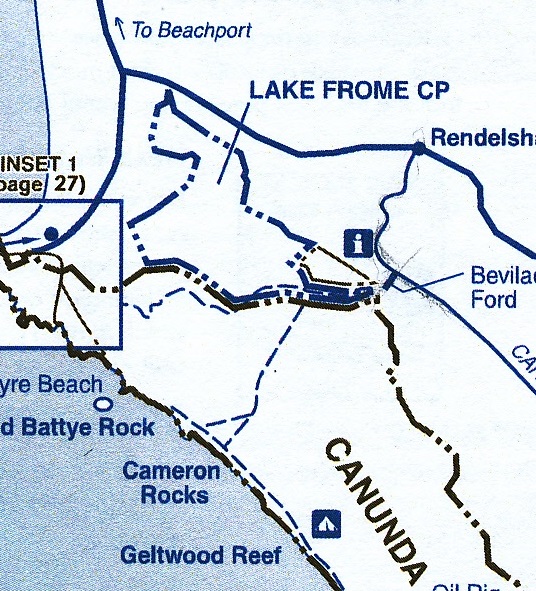
It took us quite a while to find the Bevilaqua Ford. To get to this point travel from Rendelsham. It looks easy on the map but it is not very well sign-posted. My vehicle GPS did not have this point marked. I have taken the map from The Tatler, Edition 12. This excellent publication is free and is available at the usual tourist outlets. It is published by the SA Government agency responsible for National Parks. I activated the National Park about 75 metres into the Park from Bevilaqua Ford. The Park boundary is marked in black dah dit dit. Lake Frome Conservation Park has a blue boundary marked dah dit dit also. So you can see that the Lake Frome Conservation Park holding dissects the Canunda Park where the blue lines are almost joined. In other words it would be very possible to activate the National Park from near the Information Kiosk and then move 75 metres back down the track to the Ford and enter Lake Frome CP land and activate that Park from there. There is a track in Lake Frome CP running on one side of the Lake Frome Park land. along side of the drain.
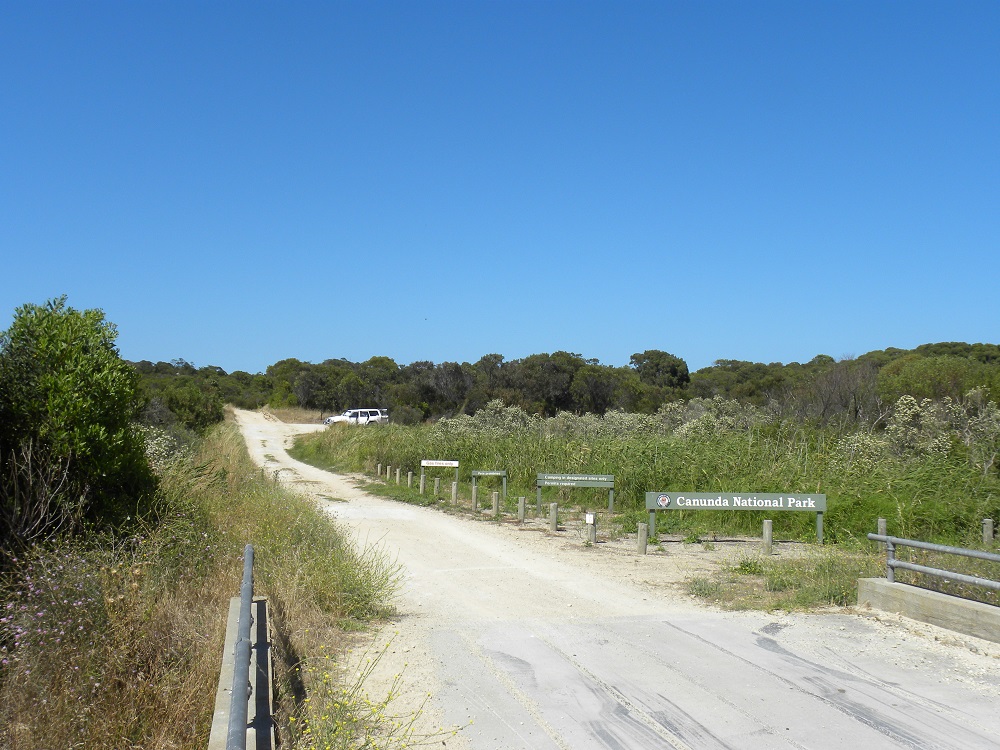
Canunda NP from Bevilaqua Ford JCD photo

Canunda NP from Bevilaqua Ford JCD photo

Contacts

I had the following contacts beginning at 23:33 UTC: VK1NAM/P2, 7.095, Andrew on VK2/SW-074; VK1DI/P2, Ian on VK2/IL-001; VK3TKK, Peter; VK5EE, Tom; VK3VTH/P3, Tony in the Brisbane Ranges National Park; VK5HCF, Col; VK5FANA, Adrian; VK3XL/P2, at 00:00 UTC, Mike on VK2/ SC-022; VK3TKK, Peter; VK5GJ/QRP, Greg; VK5KLV, Les; VK7WH, Winston; VK5PAS/QRP, Paul, VK5KPR, Peter, VK5FMID, Brian; VK3PF/M; VK5IS, Ian and VK3UP, Terry at 00:21 UTC, making a total on 19 contacts.
Great Otway National Park, VKFF-405, 4th January 2015

Great Otway National Park

Great Otway National Park

The Park

Today we went looking for good spots to activate the Great Otway National Park, VKFF-405. The Victorian Government Park’s brochure describes the Great Otway National Park as new. It was formed as recently as 15th September 2005, and is a creation from a number of pre-existing parks. The Park’s brochure (in two separate sections) one for the Western part of the Park (Kennett River to Princetown) and one for Eastern part (the section Torquay to Kennett River) clearly shows a patchwork of land-holdings.

Even a cursory glance of the brochures will show that the Park is made up of various parcels of land, many unconnected, and with privately held land within the Park. It is a large Park with many great features and we did not have time to explore it in any depth. However, we were able to gain some appreciation of its size and the agricultural interests pursued along side of the Park. A large double-trailer milk truck truck was doing the rounds. There were also some vineyards and general cropping and grazing activities.

Access

We drove from Port Campbell along the Great Ocean Road to the Gelibrand River Road and turned left and travelled on a gravel road for about 16 kilometers to a junction.  At the junction we took the Road to Colac for about five kilometres to a spot where we thought I could activate the Park in relative peace. Here are the coordinates: S 38 36.645 and E 143 19.681. Unfortunately I could only gain nine contacts. So after lunch we travelled back to the junction and took the Cobden Road to Simpson and, with a bit more exploring, we found another block clearly identified as part of the Park. I found a great spot off the road which enabled me to gain a few more contacts. There were power lines near by. I took a look at theses lines. The HT lines looked in good condition and the insulators were substantial. As it turned out the power lines, while creating some noise, did not create too much of a problem. I was able to increase my qso numbers to get across the line for the VKFF award. It was a relatively peaceful day on 40 metres as a glance at Portable Amateur Radio Spots will show. I did a lot of listening and signals generally were not strong. Amateurs who enjoy portable operations must have decided after the last few days of frenetic activity to make Sunday a day of rest! Perhaps the weather also contributed to the apparent lack of signals!

Contacts

I worked the following stations: 23:37, VK5YX, Hans conducting the WIA call-back on 7.135 MHz; VK1DI/P1, Ian on VK1/AC-042; VK1NAM, Andrew at home (amazing!); VK3EK, Rob (what a great web-site he has!); VK3FPSR, Peter; VK5YX, Hans, for a bit of a chin wag about the fires in the Adelaide Hills; VK5IS, Ian, with an amazing QRP signal as always; VK7PAK/P7, Kerry camping at Cape Portland, not too far away from Mount William National Park see https://vk5bje.com/2014/02/23/mount-william-national-park-22nd-23rd-february-2104/  ; VK3TKK, Peter, QRP, with FT817; VK3UCD, David, also QRP with an FT817; VK3FRFD; VK3VBI, Rod at Warrnambool; VK3FAFK, Mick at Stawell and VK2HFX, Frank on the River Murray. Fourteen contacts were made from 23:27 to 00:15 and from 02:23 to 02:37.

All contacts have been uploaded to LOTW and my log can be seen at HRDLOG. Thanks to all of the amateurs who gave me a call.

Port Campbell National Park, VKFF-420, 2nd January 2015

The Park

What can I say about the Port Campbell National Park? Perhaps it is iconic? Whatever it is, it is a great bit of coastal scenery. After my activation we re-visited a number of locations we last saw in the 1970s. My how things have changed!

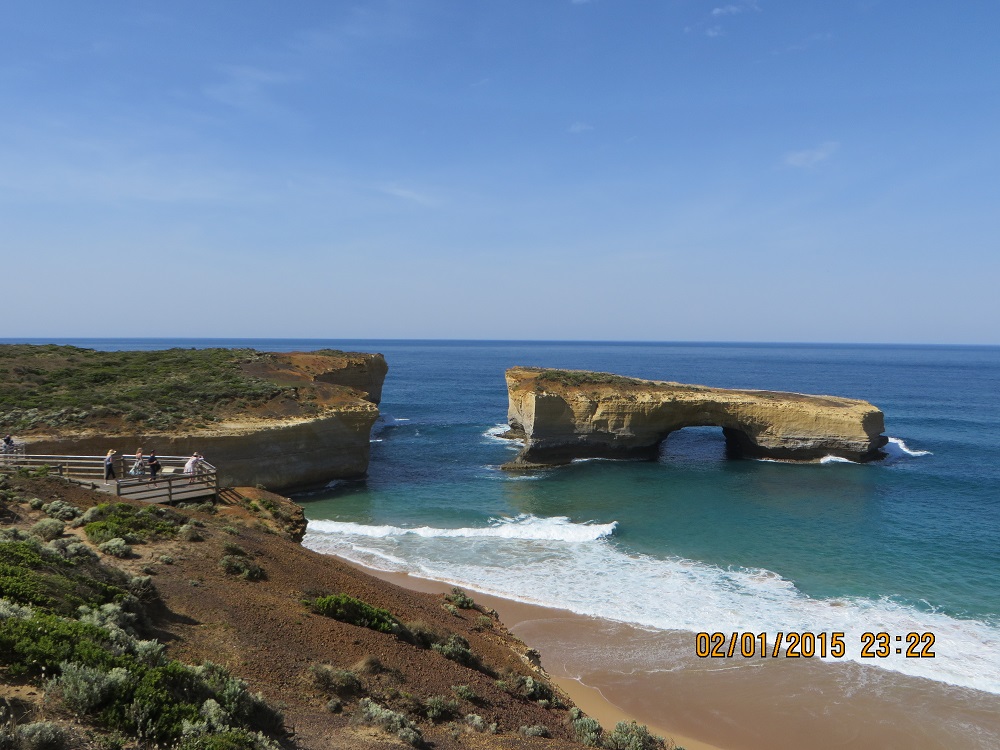
London Bridge has lost an arch! The harbour at Port Campbell is magnificent (for small vessels). We watched a fishing boat launched by being lifted from the jetty to the water below by crane. Port Campbell has grown, the roads are better and there were many visitors at all the spots on the coast.

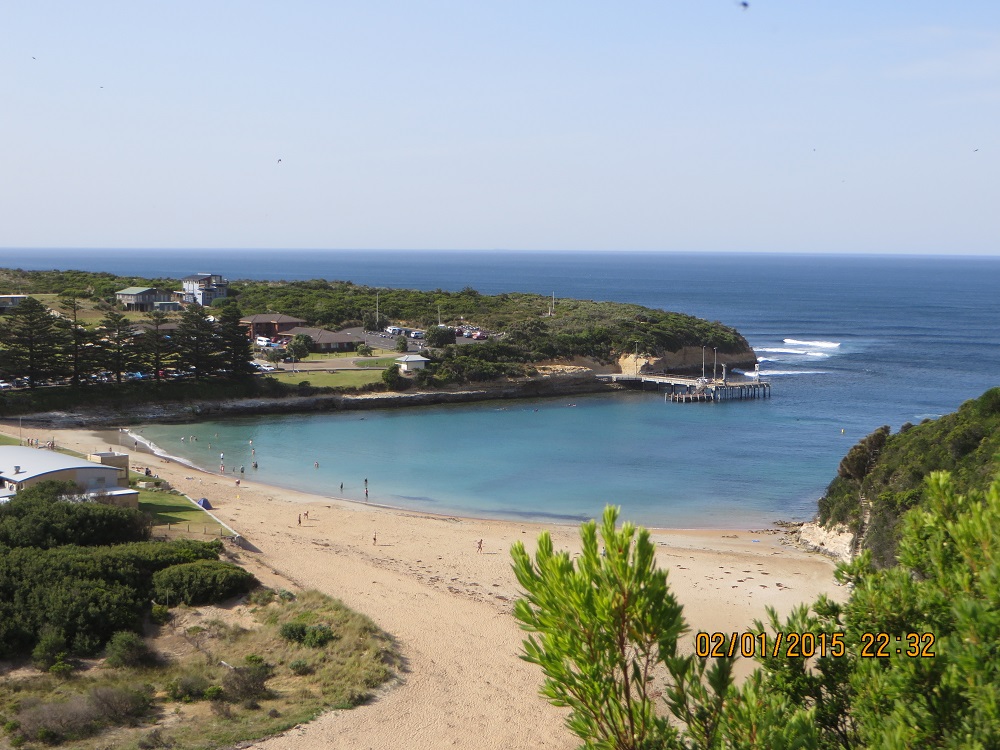
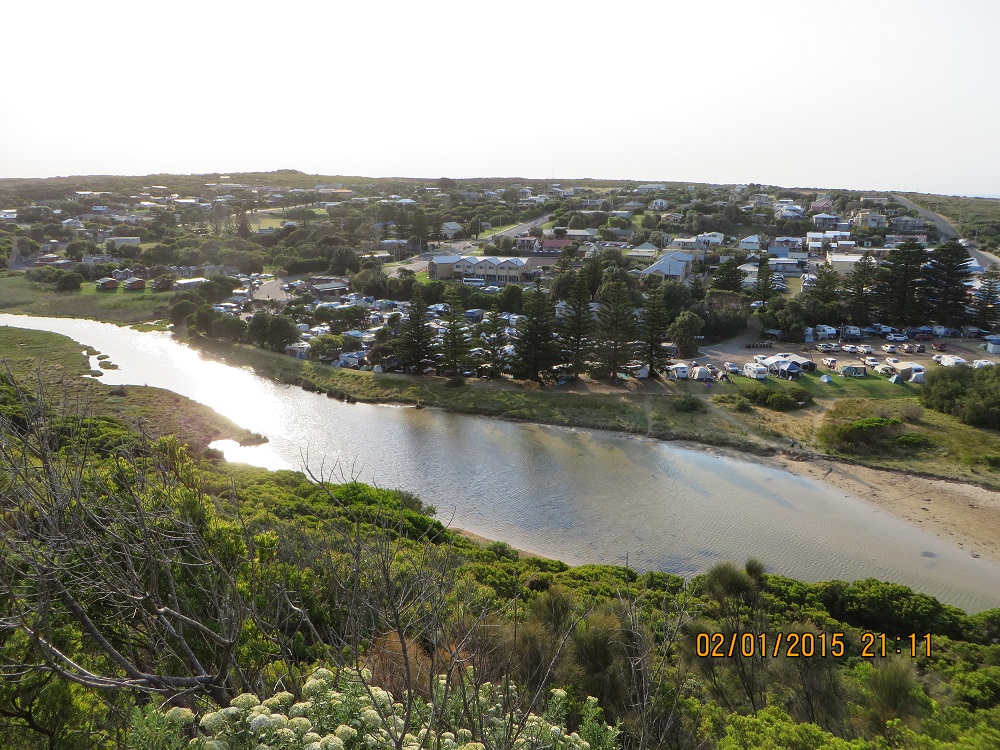
Port Campbell from my operating position

Port Campbell from my operating position

The Harbour at Port Campbell

The Harbour at Port Campbell

London Bridge missing a link!

London Bridge missing a link!

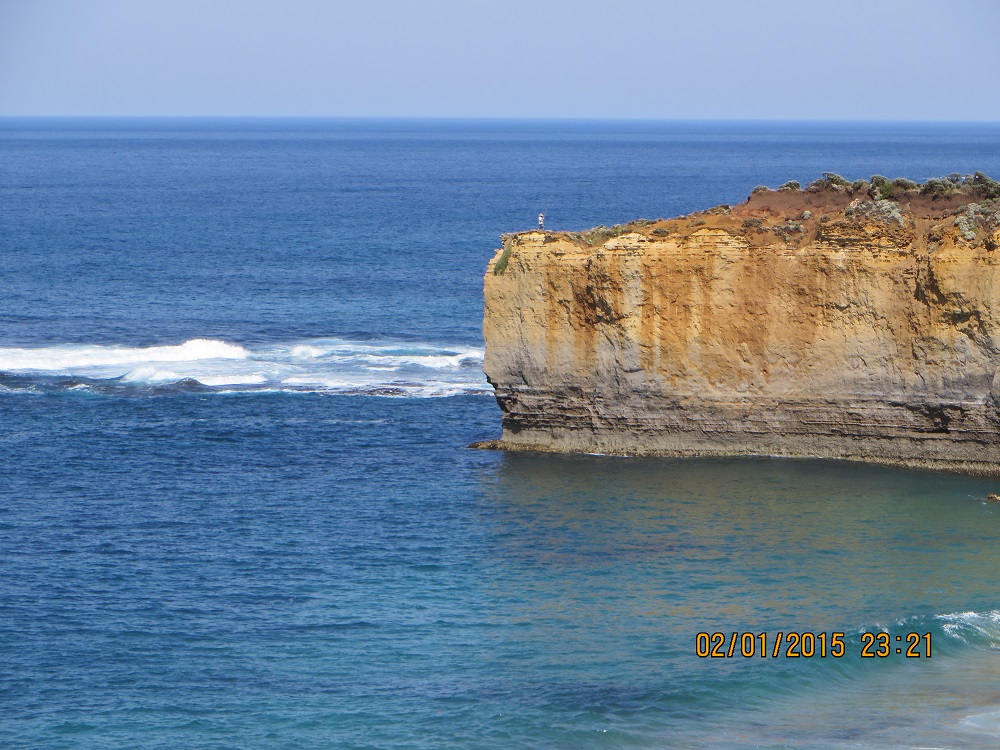
A lone fisher on a head-land. It looks a precarious spot. Expand picture to see detail.

A lone fisher on a head-land. It looks a precarious spot! Expand picture to see detail

Contacts

I was able to activate Port Campbell National Park this morning. It was not a QRP operation. It was too windy for a squid pole. I used the 857D in my 4 x 4. I made 12 contacts. I was happy with that given the weather. It was hot, hot, hot!

I had QSOs with VK5KAA, Gordon; VK5ZK, Garry; VK5KYO/P2, Yohan; VK5KC, David; VK5TW, Trevor; VK5KFM/P5 at Wallaroo; VK5LY, Larry; VK5IS, Ian; VK5PAS, Paul; VK3FPSR, Peter; VK2UH, Andrew and VK1FAAS/P1, Simon on VK1/AC-042. Thanks to all who gave me a call. And special thanks go to VK5LY, Larry and VK5PAS, Paul, who both spotted me on Portable Amateur Radio Spots. http://www.parksnpeaks.org/

Mount Warrenheip, VK3/VC-019, SOTA, 1st January 2015

Mount Warrenheip, VK3/VC-019

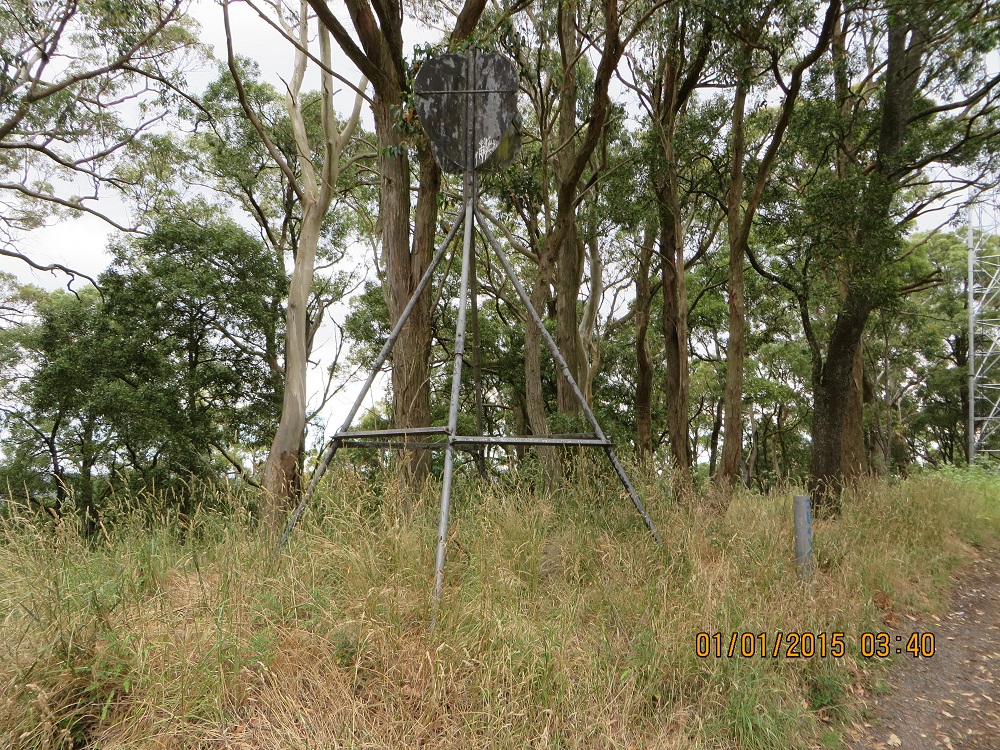
The Trig Point Mt Warrenheip: my operating position.

The Trig Point Mt Warrenheip: my operating position.

Mount Warrenheip is an inactive volcanic cone just on the outskirts on Ballarat. You will see it as you drive the freeway to Melbourne, nine kilometres out of Ballarat. I never took much notice of it when we lived just west of Ballarat for two years in the early 1970s. We used to practice our driving techniques in the Mount Cole Forest Reserve instead. Mount Warrenheip is a bush covered cone, but it has been burnt in recent times and is a bit bare in places. I drove to the summit of Mount Warrenheip and noticed that there are two commercial radio compounds and towers in place. I parked in the shade and walked around the summit past these installations and out and back into the activation zone looking for a spot where I would not be too conspicuous. I need not have been too concerned. There was only one car that visited the summit during my occupation: a car with four young men in and on-board. One was sitting with his legs in the cabin, but his trunk outside on the window ledge hanging onto the roof rails. They were travelling fast and I am glad I didn’t meet them on my ascent! I suspect one or all were still suffering the consequences of too much to drink on New Year’s Eve!

I decided to activate along side of the trig. I used a steel bollard as the support for my squid pole. I had a great time logging 22 stations from VK1, 2, 3 and 7, including 11 s2s contacts.

It was a long day travelling to the Brisbane Ranges National Park in the morning and then returning to Mount Warrenheip later in the day. Unfortunately, despite my best intentions, its twin, Mount Buninyong, VK3/VC-018, will need to wait for another day.

My Activator Log

Time Call Band Mode Notes
04:03z VK3BQ/P2 7MHz SSB VK2/SM-065
04:07z VK3BLE 7MHz SSB Col
04:10z VK7FREU/P7 7MHz SSB VK7/SC-004
04:11z VK7TW/P7 7MHz SSB VK7/SC-004
04:12z VK3EK/P3 7MHz SSB VK3/VG-074
04:14z VK1DI/P2 7MHz SSB VK2/SM-033
04:15z VK3FPSR 7MHz SSB Peter
04:15z VK2IO/P2 7MHz SSB VK2/HU-093
04:16z VK3PF/P3 7MHz SSB VK3/VE-004
04:18z VK2YW 7MHz SSB John
04:19z VK1MA/P2 7MHz SSB VK2/ST-036
04:21z VK3FQSO 7MHz SSB Amanda
04:23z VK3JP 7MHz SSB Ron
04:25z VK3MTB/P3 7MHz SSB VK3/VT-057
04:26z VK3TCX 7MHz SSB Ian
04:27z VK3AV 7MHz SSB Bernard
04:29z VK2LX 7MHz SSB Grant
04:31z VK2COP 7MHz SSB Phil
04:35z VK3UP 7MHz SSB Terry
04:39z VK1DA/P2 7MHz SSB VK2/ST-001
04:41z VK1NAM/P2 7MHz SSB VK2/ST-001
04:41z VK3YAR 7MHz SSB Ray

Brisbane Ranges National Park, VKFF-055, 1st January 2015

The Park

I thought the Park was magnificent. I have tried to capture some of the vegetation in the photo of my activation spot. This Park, is regarded as the best place in Victoria for wild flowers, according to the Park brochure. It would be a great spot for a walk and I am sorry we were not able to spend longer in the Park. My xyl (wife) has decided to add value to her time in Parks by joining the National Bird Atlasing Project. See  http://birdlife.org.au/projects/atlas-and-birdata

So the longer I take, the happier she is!

Access

We stayed in Ballarat for two nights. Access to the Park was achieved by taking the Freeway to Ballan and then travelling South to Wallace and then taking the track into the Park. We chose Boar Gully as it is the closest access point to Ballarat. We inspected the camp ground and it was almost empty: just two or three camps on the property at this time. It would be empty today as campers would be required to leave because of the Total Fire Ban day. The camp site is right on the boundary of the Park.

Boar Gully Camp - I was about 1 k from here

Boar Gully Camp – I was about 1 k from here

Old Thompson Track

Old Thompson Track

My operating position at Brisbane Ranges NP - only footprints left

My operating position at Brisbane Ranges NP – only footprints left

Contacts

I had 29 contacts beginning at 22:53 hours UTC and finishing at 00:20 hours. There was no mobile phone contact at Brisbane Ranges National Park where I established my station so I could not add a spot. Stations were worked in VK1, 2, 3, 5 and 7. I was operating my FT897 at 10 watts, although I increased power to 20 watts to work VK3MRG/P3, Marshall at VK3/VC-029.

All my contacts have been up-loaded to LOTW and HRDLOG.

Thanks to all operators who gave me a call. It was great fun and all calls are greatly appreciated.

Livingstone National Park, NSW, VKFF-292, 30th December 2014

The Park

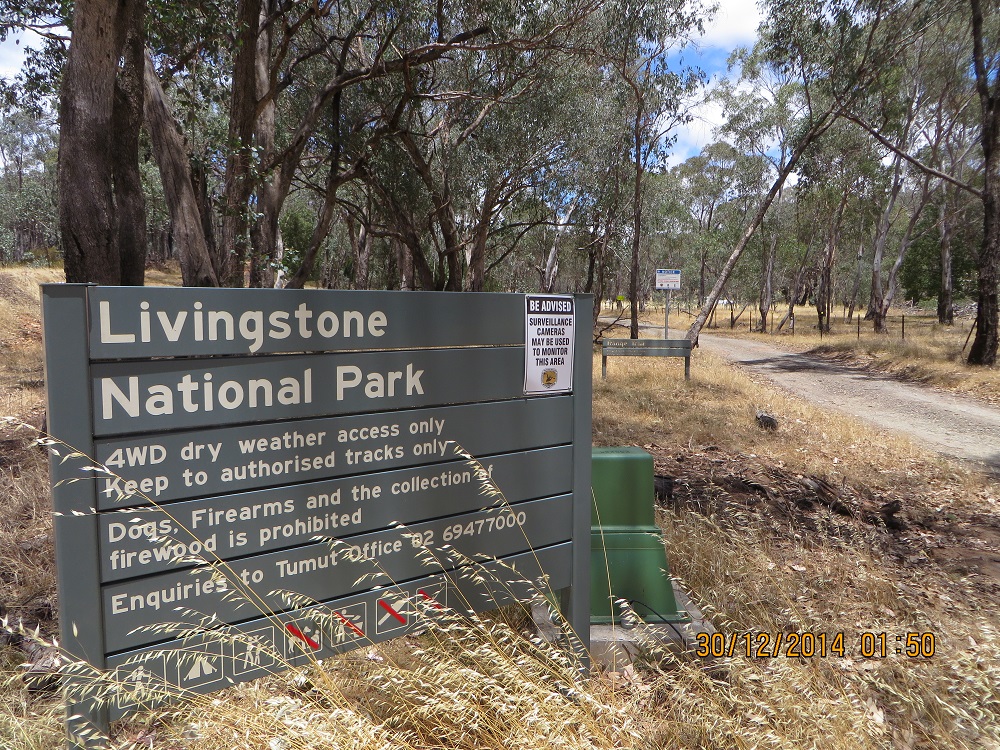
Livingstone National Park Northern entrance

Livingstone National Park
Northern entrance

We have the New South Wales Government provided Pocket Guide to NSW Parks. We have the first edition and there may be a new edition now. Ours is dated August 2013. I thoroughly recommend the Pocket Guide, which, while free, still requires a large pocket as it contains 122 pages.

Livingstone National Park, is large at 1,910 hectares. The Pocket Guide states that ‘the Park is a relatively undisturbed area of habitat within an agricultural landscape…[T]he network of trails provide opportunities for 4WDs, trail bikes, mountain bikes and horse riders. All vehicles must be registered and off trail/road riding is not permitted’.

I must say, while I think all reasonable recreational activities must be allowed within a National Park, trying to secure a weak station qso on 40m with two trail bike riders revving their machines in the background is challenging QRM!

Access

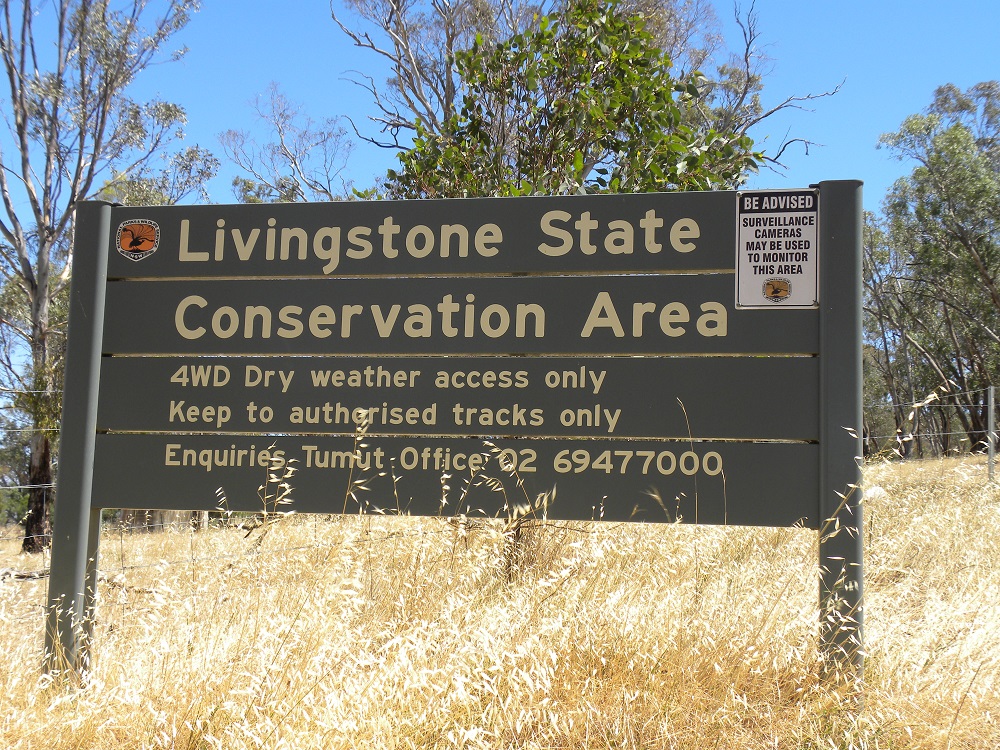
The Pocket Guide provides advice on how to access the Park, that is, travelling from Albury in the South or from Wagga Wagga in the North. My advice is that the best way to access the Livingstone National Park (for amateur radio purposes) is via the Holbrook Road either from Holbrook or from Wagga Wagga, and, if coming from Wagga Wagga, turn left into O’Briens Creek Road and travel six kilometres and then turn right onto Wrigley’s Road and travel three kilometres. I recommend the same if coming from Albury via Holbrook. You will take a right hand turn at O’Brien’s Creek Road. Coming from the South we found two other signposts for the Park. One of these is mentioned in the Pocket Guide. This requires taking Burrandana Road for about 10 kilometres and then taking a left hand turn at the Burandana Hall. We did this only to find that the Southern end of the Park is listed as Livingstone Conservation
Reserve and does not count as a Park for amateur radio purposes.

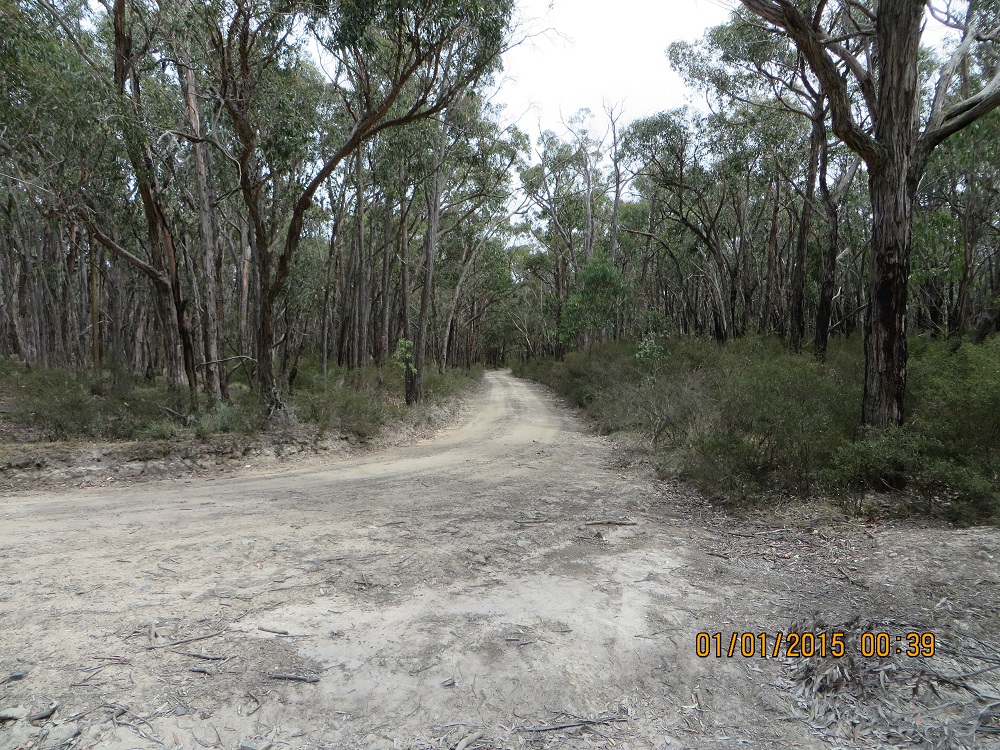
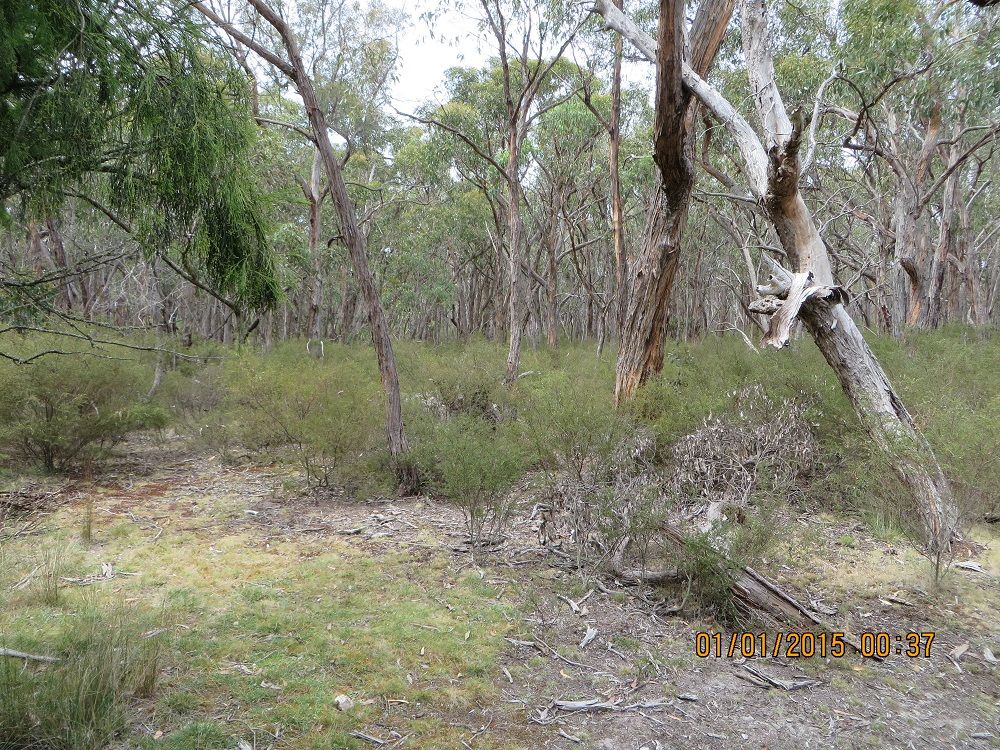
Livingstone Conservation Area JCD photo

Livingstone Conservation Area JCD photo

However, if you have a 4×4 you can take a track though the Park from South to North. This track is called Range Track, presumably after the rifle range next door to the Northern end of the Park. None of the maps we have mentioned the different Statutory basis for protection of the two areas. However, while waiting for my wife to take photographs of various features at the Southern end I had a contact from my car with VK3YSP/P3, Joe, who was portable in Coopracambra National Park (00:53 UTC). I also had a contact with Julie, VK3FOWL. I gave them both 5 and 7 and received 4 and 1 and 5 and 1 respectively. I indicated to Joe I would move to the Northern end of the Park and wait for him and Julie to activate Alfred National Park. I was using my Yaesu 857D in the car running 75 watts. Then to my delight I found Nick, VK3ANL/P3, on Mt Buller, VK3/VE-008 (00:59 UTC). I gave him 5 and 1 and received 5 and 9.

Contacts

I was delighted to have 12 contacts. I used my Yeasu 897 set for 15 watts. I thought band conditions were reasonable for the time of day. Signals are usually attenuated of 40 metres for a period during the middle of the day, that is, when the sun is overhead.

7.095,  02:10 UTC, VK3PF/P3, Mt Glen Rowan VK3/VE-230 & Warby-Ovens National Park, Peter

7.095, 03:09, UTC, VK5IS, Ian

7.100, 03:11, UTC, VK5KLV, Les at Mount Brown Conservation Park, SA

7.100, 03:13, UTC, VK5KPR,

7.100, 03:15, UTC, VK3JP, Ron at Bendigo

7.100, 03:20, UTC, VK3YAR, Ray at Bendigo

7.100, 03:27, UTC, VK5AV, Tim at Mount Gambier

7.100, 03:31, UTC, VK5EE, Tom at Mount Gambier

7.100, 03:35, UTC, VK3YSP/P3, Joe at Alfred National Park

7.100, 03:40, UTC, VK3FOWl/P3, Julie at Alfred National Park

7.100, 03:40, UTC, VK3FQSO, Amanda

7.100, 03:43, UTC, VK3TKK, Peter

7.100, 03:20, UTC, VK3YAR, Ray

I was pleased to have 12 contacts and especially delighted to work Joe and Julie in Alfred National Park. While I have activated this Park I have never been able to secure a contact until today. I need just two more parks for a full hand (45) as a chaser.

Cattai National Park, 27th December 2014, VKFF-092

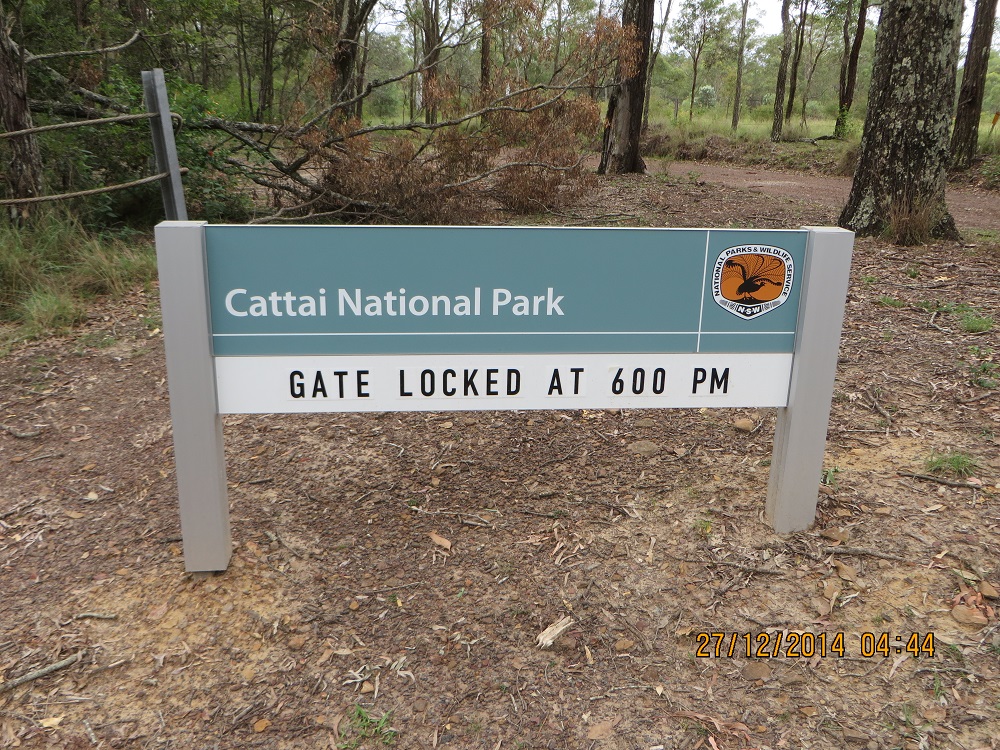
Cattai NP

Cattai National Park is in two sections. We went to the day use area on the Clarence Reach section on the Hawksbury River.

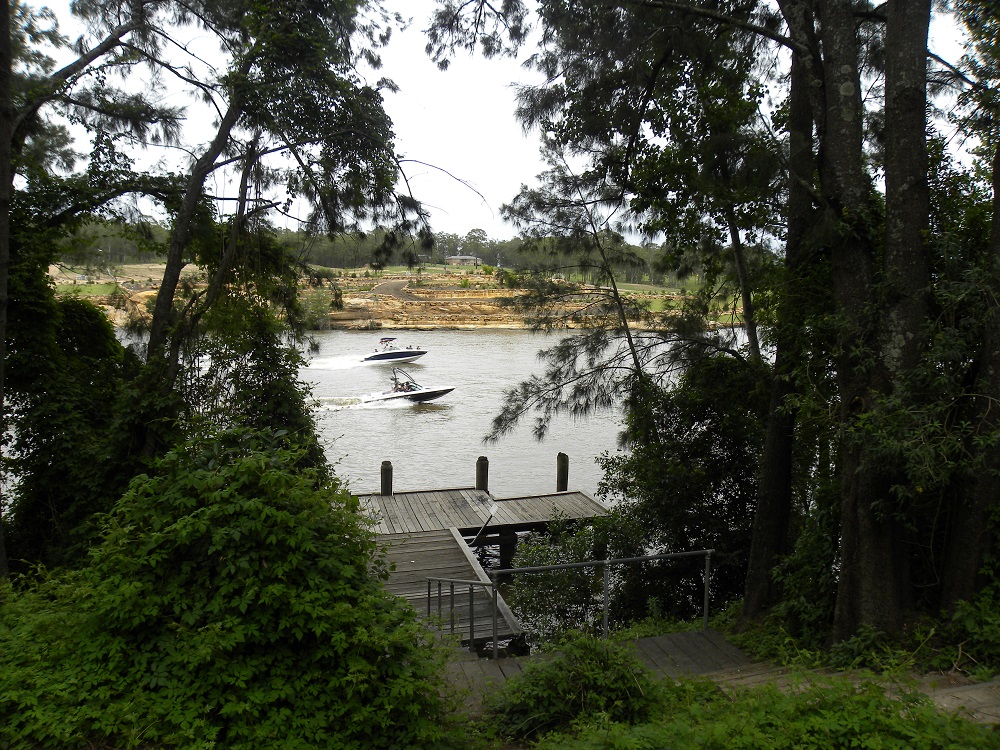
The Hawksbury River from Cattai NP

The Hawksbury River from Cattai NP

This section of the Park is not far from the historic Pitt Town. The camping ground, in the same general area, was very popular and busy. But I found a spot away from the crowds where they would not hear my voice and enjoyed a great time at this Park.

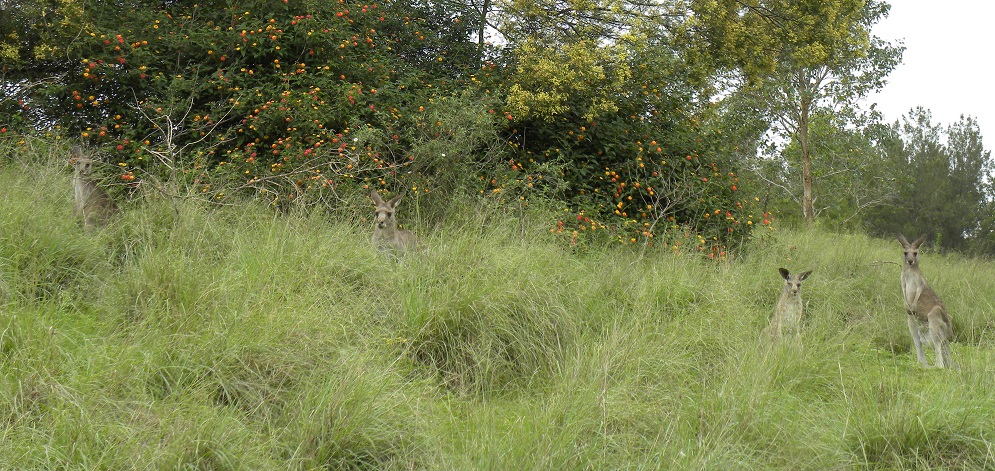
My fan club at Cattai NP JCD photo

My fan club at Cattai NP JCD photo click to expand

I did not have a great deal of time and I was fortunate to have 11 contacts, thus qualifying the park for the VKFF award.

I had contacts with the following stations: 03:47 UTC, VK3ANL/P3, Nick in Churchill NP; VK2UH, Andrew; VK3MRG, Marshall, VK3FQSO, Amanda; VK2AMF, Mike; VK2UNC, Owen; VK4GSF, George at Toowoomba; VK2IO/P, Gerard at Gosford; VK3YSP, Joe, at Burrowa-Pine Mountain NP 5 and 7 and 5 and 8, and Joe called me: VK3FOWL, Julie also at Burrowa-Pine Mountain NP: and VK1DI/P2, Ian on VK2/SM-090, Cathcart Trig, worth six points. Thanks to Andrew, VK2UH, for spotting me.

I reckon 11 contacts in just over 20 minutes salvaged the day! Thanks to all of the stations who gave me a call. It is always greatly appreciated.

Scheyville National Park, 27th December 2014, VKFF-444

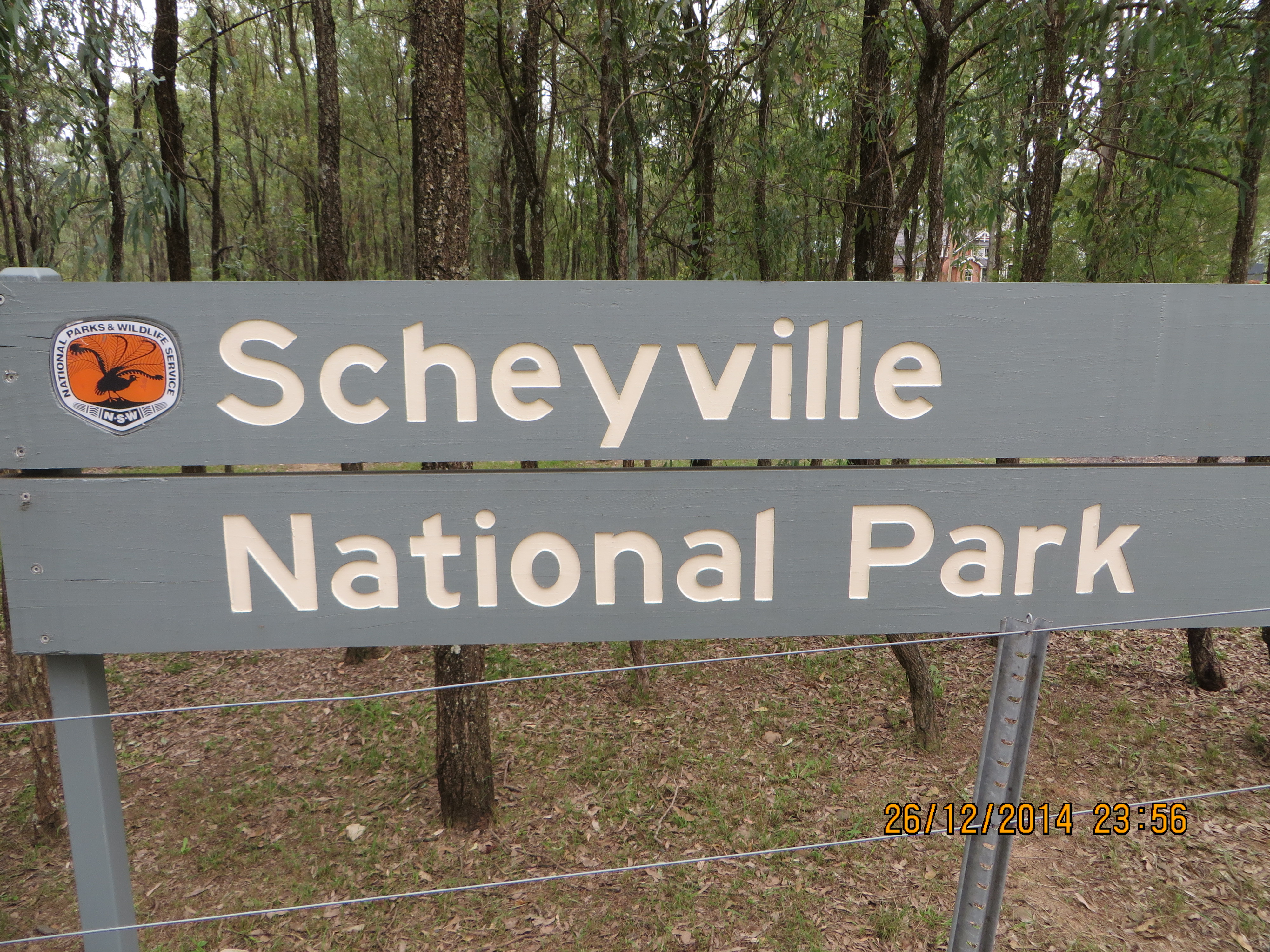
IMG_0372
Scheyville (pronounced Sky-ville) National Park is 920 hectares and located about five kilometres east of Windsor and North- West of Sydney.

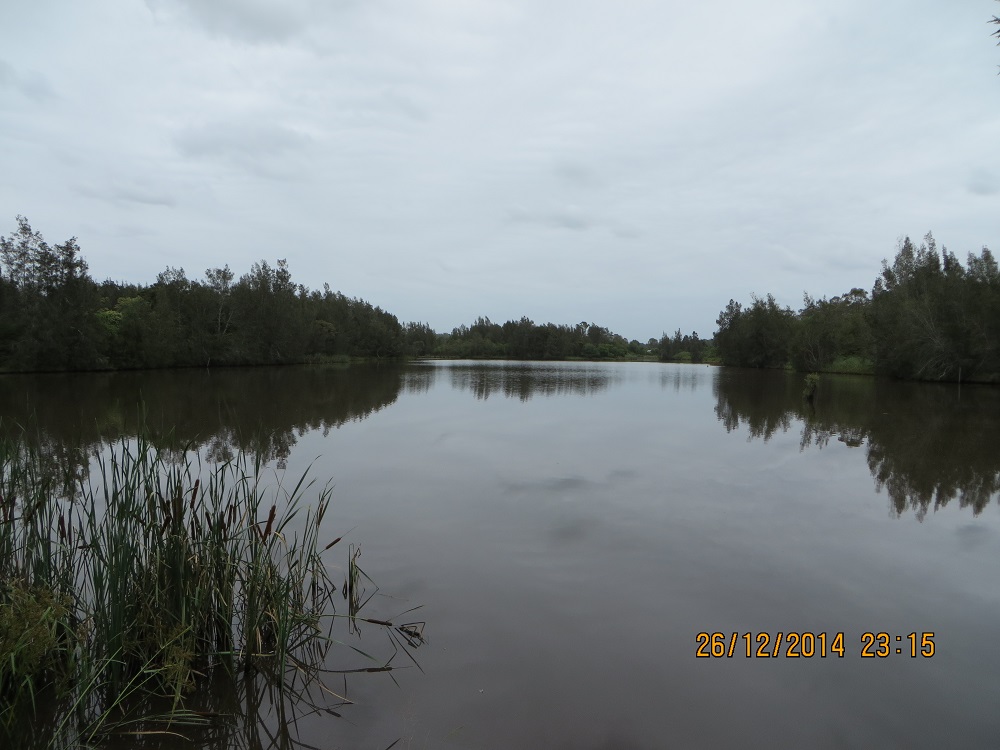
It has both geological significance being the largest single remnant of Cumberland Plain vegetation on shale soil. It has grey box, forest red gums and narrow-leafed ironbark trees. It includes the Longneck Lagoon where we went for a walk. This was a great place for birds and bird-song.

Longneck Lagoon Scheyville National Park

Longneck Lagoon Scheyville National Park

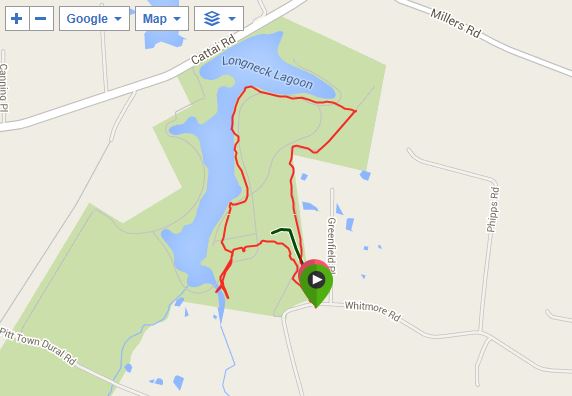
Walk at Longneck Lagoon

Walk at Longneck Lagoon

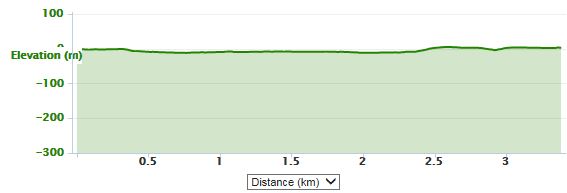
Elevation - Longneck Lagoon - a small rise at the end was challenging for Grandchildren

Elevation – Longneck Lagoon – a small rise at the end was challenging for Grandchildren

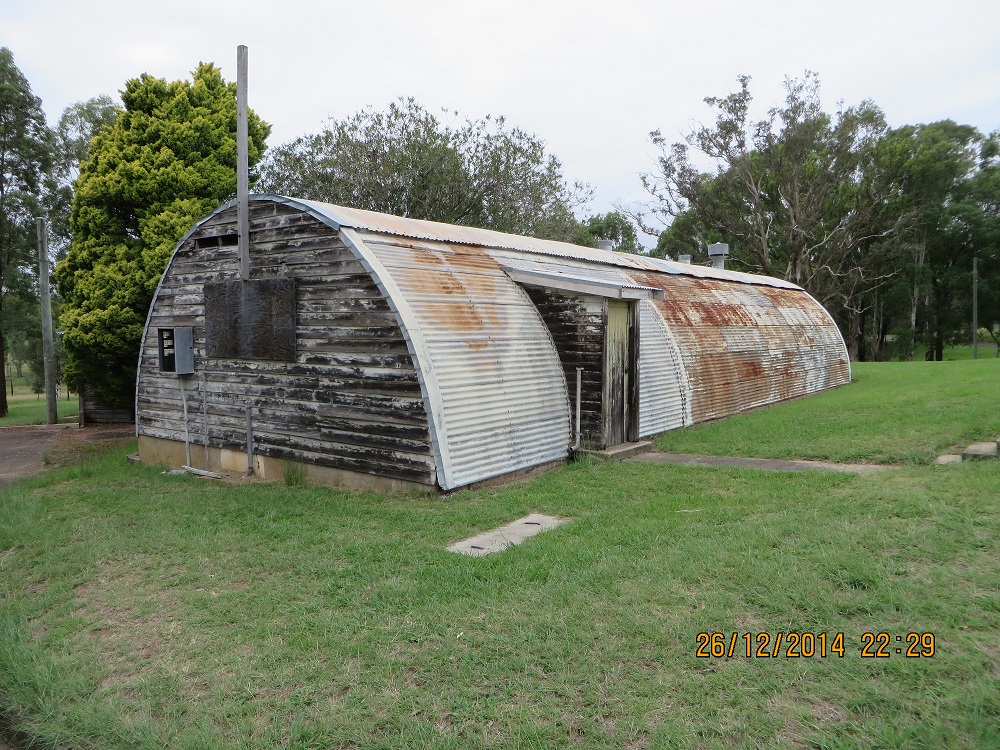
On a historical view the Park includes relics of military buildings dating from the 1920s to the 1960s. And more recently Scheyville was used as a migrant hostel.

Historic Hut Scheyville National Park

Historic Hut Scheyville National Park

These few notes were take from the excellent NSW National Parks and Wildlife Service brochure. We obtained our brochure from the information centre at the Cumberland North Area Office of the service located near the 1929 Georgian Revival administration office within the Park.

I set up my station on an old building formation about 400 metres away from the administration building. I had great expectations of getting at least 10 contacts. After all is was Saturday! I checked out the noise levels on the car transceiver (Yaesu 857D).  It was noisy in an RF sense, and, later, I could even hear a nearby landowner at work with a lawn-mower. The noise peaked on 7.100 Mhz. Nevertheless I thought is was manageable and I decided to stay. I set the power level to 10 watts. I called (on 7.110 Mhz) VK3VTH/P3, Tony (01:50 UTC) who was in the Organ Pipes National Park. Signals varied but eventually we made a good contact after I wound my power up to 30 watts. I gave Tony 5 and 9 and he gave me 5 and 3. He was using a 100 watt transceiver. He was pleased with a new Park for the VKFF award.

I then heard Nick, VK3ANL/P3, on 7.105 Mhz in Churchill National Park. I first called Nick at 01:48 UTC and the finish time in my log is 01:56, but it was hard going. I gave Nick 5 and 2 and I received 4 and 6.

I heard no other stations well enough for a contact. I did hear Joe, VK3YSP/P3, but in and out of the noise. He was speaking with Peter, VK3PF/M who was on his way to a summit. My aim was to have a contact with Joe at Burrowa-Pine Mountain National Park. (I have four Parks remaining for the 45 needed for the KRMNPA, including Burrowa-Pine Mountain NP). But I heard Joe say he was two hours from his destination. I decided I would move to another Park – hopefully with less noise and in time to work Joe and Julie. Cattai National Park, VKFF-092 was set as the new destination in the GPS.

I am sure it would be possible to find an RF quieter location. Maybe the locals know the best spot. But given this was ‘taking’ a few hours off from family time I am pleased to have had two contacts.

Greater Bendigo National Park, VKFF-623, 21st December 2014

I first visited the Greater Bendigo National Park, VKFF-623, on 2nd January 2014. On that occasion I visited Shadbolt which is in the North-Westerly corner of the Park. I made 13 contacts. Here is the link to my first activation of this Park.

Greater Bendigo National Park, 2nd January 2014

After promising an activation of this park I decided to visit the One Tree Hill Lookout on Sunday evening 2st December. I enjoyed six great contacts all on 40 metres.

And on Monday morning, before UTC rollover I went back to the park for a third visit, this time taking a track into the Park from the corner of Wards and Wallanjoe Roads. I worked hard for nine contacts! I guess most amateurs are back to work for a few days? I also tried 20 metres un-successfully although I did try to make contact with W1AW/KH6, which was loud. I couldn’t quite make it. I am sure he knew I was there! I now have 28 contacts from this Park, not the 44 I was hoping for more. Oh well! I will come back, I hope!

As usual we had with us our copy of the Parks Victoria Visitor Guide. This is an excellent  four A4 page document with a map on the middle double page. On the front page there is a section entitled Enjoying the Park: this is then followed by five headings (in bold); Picnicking, Camping, Walking, riding and driving, Dog-walking (in One Tree Hill Section of the Park) and Horse Riding (in two designated sections). Other recreational activities are then summarised in the last paragraph: nature study, photography, orienteering and prospecting.

I wonder when we might see amateur radio added to the last section?

Mt Moliagul, SOTA summit VK3/VN-024, 21st December 2014

After moving on from the Little Desert National Park, lunch in Horsham and a stop in St Arnaud we decided to re-visit Mt Moliagul. I last activated this summit on January 2014 on a cooler day (11 contacts).

Here is the link to my first visit to Mt Moliagul. https://vk5bje.com/2014/01/02/sota-mt-moliagul-vk3vn-024/

This time it was warm and cloud was starting to form. On the summit it was hot with barely a breath of wind. My xyl drove the 4×4 to the summit to finish her shift at the wheel.

I then followed the same procedure as I did on my first activation of the summit: I went for a walk down to the tree line, well outside the activation zone while looking around and checking whether a spot in the shade might be possible. I could find no shade in the activation zone. I carried my gear to an old notice board describing what bush-land volunteers had achieved. It was in poor shape but good enough to support my squid pole.

It didn’t take long for people to find me and VK5PAS, Paul, kindly spotted me.

I enjoyed 16 contacts including two s2s qso’s. I thought this was pretty good for an unplanned activation! I was delighted to have contacts with VK3YY, Glenn and VK3KAB, Kevin, who were at Mount Samaria. There are no activator points for me as this is my second activation within a year, but I am glad to give those listed below a chance for Mount Moliagul.

Activator Log

Time Call Band Mode Notes
04:21z VK3YY/P3 7MHz SSB VK3 VE 157
04:23z VK3KAB/P3 7MHz SSB VK3 VE-157
04:30z VK5GY 7MHz SSB Messent CP
04:35z VK3ARR 7MHz SSB Andrew
04:36z VK5PAS 7MHz SSB Paul
04:37z VK3ANL 7MHz SSB Nick
04:38z VK3FPSR 7MHz SSB Peter
04:41z VK3TCX 7MHz SSB Ian
04:42z VK3AV 7MHz SSB Bernard
04:44z VK2EXA 7MHz SSB Peter
04:45z VK3PF 7MHz SSB Peter
04:47z VK3EK 7MHz SSB Rob
04:48z VK3LED 7MHz SSB Col, Maiden Gully
04:50z VK2UH 7MHz SSB Andrew
04:53z VK5WG 7MHz SSB Nev
04:54z VK3DAC 7MHz SSB Fred